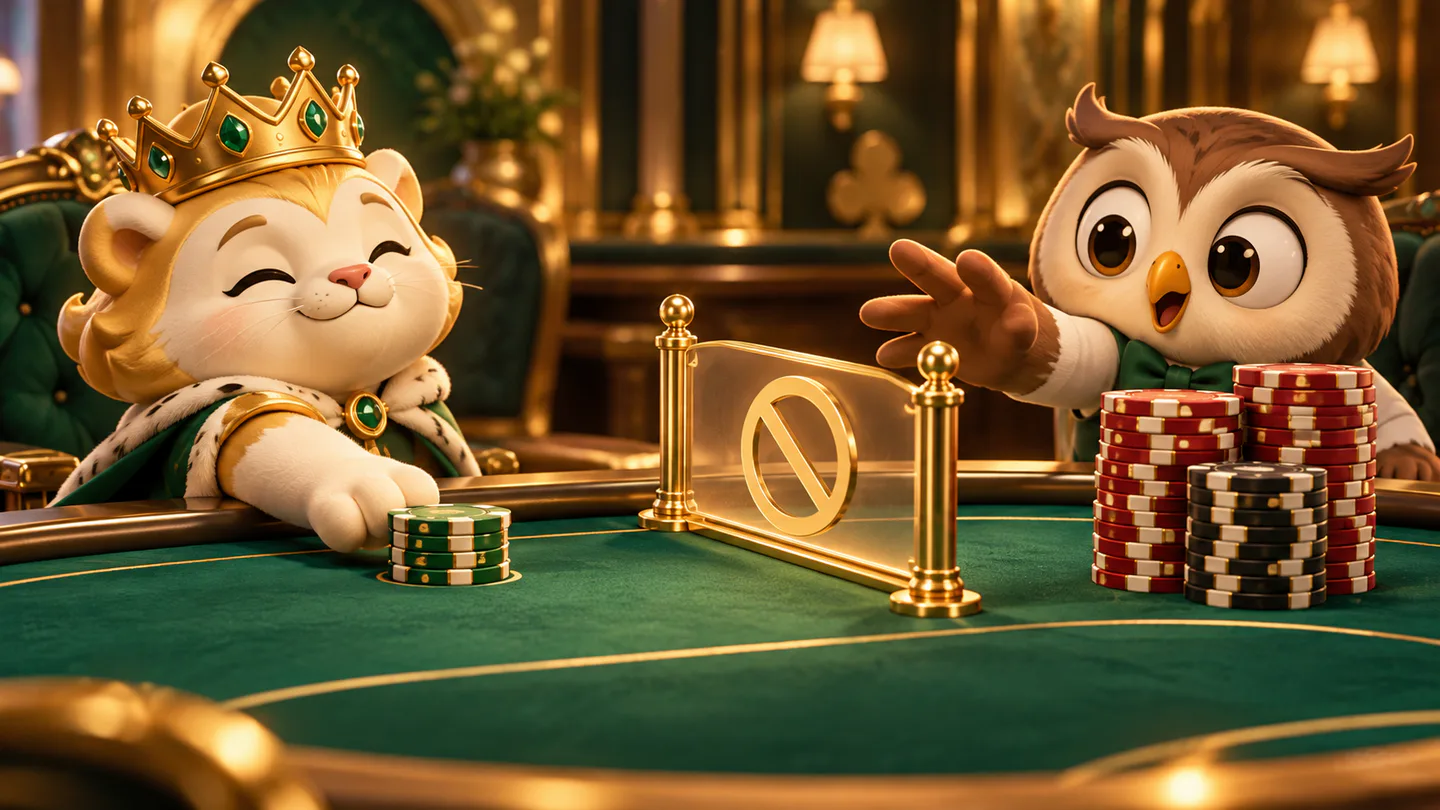
Most of the seats at our poker tables are filled by bots, and they are not pretending to be people. They have names and temperaments, they raise and fold and occasionally shove, and they do all of it by rules that are worth knowing if you want to play well against them. None of this is secret; it is simply how the table works.
How a bot decides
Each bot looks at three things when it is their turn: the strength of their own hand against the board, the price of continuing, and a personal temperament — a fixed setting for how aggressively it bets and how much risk it tolerates. Some bots are tight and cautious; some are loose and pushy. A bot's name tells you which one you are sitting with, hand after hand.
On top of that, every bot bluffs at a small fixed rate: some fraction of the time it will bet a hand it should have checked. That is deliberate. A table full of bots that only bet good hands would be trivially readable, and no fun.
What a bot does not do
It does not read you. It has no idea how long you took to act, whether you raised the last three hands, or that you showed a bluff twenty minutes ago. Every decision is made from the current hand and the current price. It has no memory of you and no model of you.
It does not adjust. A person who catches you bluffing will call you lighter next time. A bot will not; its temperament is the same on hand 1 and hand 100.
What that means for bluffing
Image bluffs are worthless. Betting to “set up” a later hand, or representing a range you have been showing down, does nothing. The bot did not notice.
Price bluffs work exactly as the numbers say. A bot folds when its hand is weak relative to the cost of calling. A large bet into a cautious bot with a middling hand folds it out at roughly the rate its temperament dictates, whether or not you have anything. The board matters — a bot holding a strong hand will not fold to any bet — but the story you are telling does not.
Bluffing a loose bot is a mistake. A pushy temperament calls and raises with hands a person would fold. Against those seats, value bet relentlessly and stop trying to move them. Against tight seats, do the opposite: bet more often with less.
The bot's own bluffs
Because bots bluff at a fixed rate rather than in response to the situation, their bluffs are randomly placed. A bot bet on a scary board is exactly as likely to be a bluff as a bot bet on a harmless one. So call bot bets according to your hand and the pot odds — see pot odds explained — not according to how frightening the bet looks. The bet is not trying to frighten you.
Why play against them at all
For the same reason you would play against a practice partner: the hands are real, the rules are real, the rankings in hand rankings are real, and the chips are play chips. What you cannot practise here is reading people. What you can practise — better than against people, in fact — is the arithmetic: position, pot odds, bet sizing, and the discipline to fold a hand that is beaten. A bot will punish bad arithmetic every single time, without ever getting tired. That is worth more than most human opponents will give you.